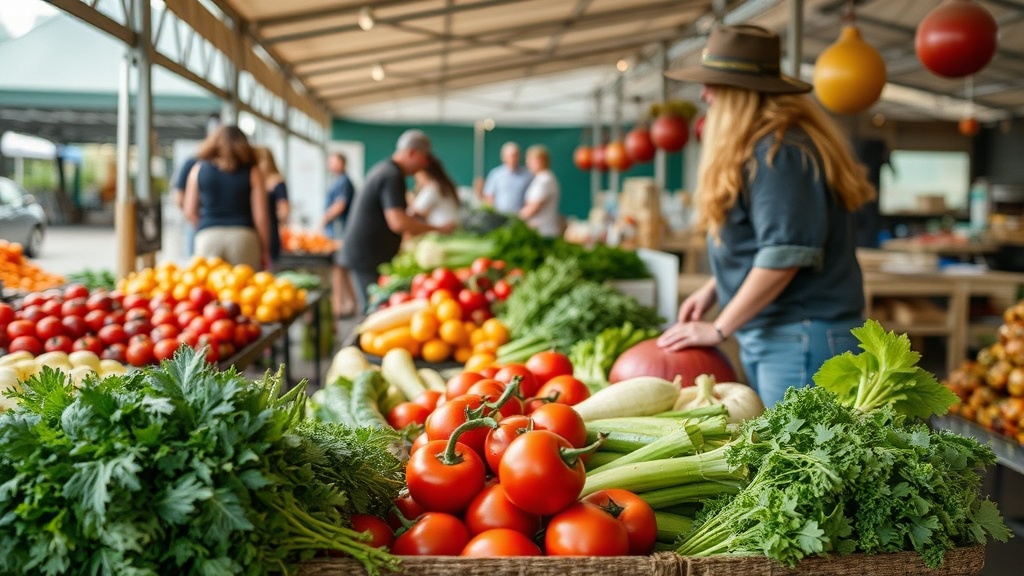
Picking the Best Local Produce at the Arnprior Farmers Market
You'll learn how to identify high-quality seasonal produce, what to look for in specific fruits and vegetables, and how to shop effectively at the Arnprior Farmers' Market. This guide provides practical tips for selecting the freshest local food available in the Ottawa Valley.
How Do I Pick the Best Seasonal Vegetables?
The best way to pick seasonal vegetables is to look for vibrant colors, firm textures, and weight that matches the size of the item. Local Ontario produce is often harvested much closer to the sale date than items found in big-box grocery stores, so you're getting much better nutrition and flavor.
When you're walking through the stalls, don't just grab the first thing you see. Take a moment to check the weight. A heavy tomato usually means it's full of juice, while a light one might be pithy or underripe. If you're buying root vegetables like carrots or beets, look for skins that are smooth and free of soft spots or excessive shriveling.
Leafy greens are a bit trickier. You want leaves that are crisp and upright, not wilted or slimy. If the greens look limp, they've likely been sitting out too long or haven't been stored at the right temperature. It's always a good idea to ask the farmer if they've kept the greens chilled—most local growers in the Ottawa Valley take great care of their inventory.
For items like squash or pumpkins, look for a hard, matte skin. A shiny skin can sometimes indicate that the vegetable is still growing or hasn't cured properly. You want something that feels solid and heavy for its size.
What Should I Look For in Fresh Fruit?
Look for fruit that feels heavy for its size and has a consistent color without bruising. For berries, check that they aren't mushy or leaking juice, as this is a sign of spoilage or improper handling.
Berries are the most delicate items you'll find at the market. If you see strawberries with a dull, matte appearance, they might be past their prime. You want a bright, glossy sheen. If you're buying blueberries, ensure they are firm and haven't started to mold at the bottom of the container. It's a bit of a hassle to check every single berry, but it's worth it for the taste.
Stone fruits—like peaches or plums—should have a slight give when you press them gently (but don't press too hard, or you'll bruise them!). If a peach is rock hard, it's not quite ready to eat. If it's too soft, it's likely overripe. The middle ground is where the magic happens.
Apples are much more durable. When picking apples in Ontario, look for skin that is taut and free of deep bruises. A bruised apple will rot much faster once you get it home to your kitchen.
| Produce Type | What to Look For | Avoid If... |
|---|---|---|
| Root Vegetables | Firm, heavy, smooth skin | Soft, shriveled, or mushy |
| Leafy Greens | Bright color, crisp texture | Wilting, yellowing, or slimy |
| Berries | Glossy, firm, intact | Leaking juice, moldy, or soft |
| Stone Fruit | Slight give, vibrant color | Mushy or rock hard |
When is the Best Time to Shop the Arnprior Farmers' Market?
The best time to shop is early in the morning right when the market opens to secure the widest variety and the freshest picks. Most vendors arrive early to set up, and the most popular items—like certain heirloom tomatoes or specific berry varieties—often sell out by mid-morning.
If you're looking for the absolute best selection, aim for the first two hours of the market. This is when the produce is at its peak freshness and the shelves are fully stocked. If you wait until the end of the market day, you might find better prices, but the selection will be much more limited. You'll likely find only the "leftovers" or items that aren't quite as pretty.
There's also a benefit to arriving early if you're looking for specific items. Local farmers often bring their best harvests in limited quantities. If you've been craving a specific variety of organic kale or a certain type of apple, getting there early ensures you won't miss out. It's a bit of a ritual for many locals in the Ottawa Valley.
If you're a late sleeper, don't worry. You can still find great stuff, but you'll need to be more discerning. Check the bottoms of the bins and look closely at the remaining stock. The quality might be slightly lower, but the prices might be more forgiving.
How Can I Store My Produce to Make It Last Longer?
Store your produce based on its specific needs: leafy greens and berries in the fridge, while tomatoes and potatoes stay on the counter. Proper storage prevents premature spoilage and helps you get more value out of your purchase.
Most people make the mistake of putting everything in the refrigerator immediately. While this is true for many items, it can actually ruin others. For instance, keeping tomatoes in the fridge can actually destroy their texture and flavor profile. They're better off in a cool, dry spot on your kitchen counter.
Here are a few quick rules for your kitchen:
- Berries: Keep them in the fridge in a breathable container. Don't wash them until right before you eat them, as moisture leads to mold.
- Leafy Greens: Store them in a reusable bag or a container with a bit of air to prevent wilting.
- Potatoes and Onions: Keep them in a dark, cool place. Note that you shouldn't store them together, as onions can cause potatoes to sprout faster.
- Herbs: Treat them like flowers. Put cilantro or parsley in a small jar of water in the fridge to keep them fresh for longer.
Understanding the science of food preservation can also help you manage your kitchen more effectively. It's not just about the market; it's about how you treat the food once it enters your home.
If you find yourself with a lot of fresh produce and aren't sure what to do, consider looking into traditional preservation methods. Many people in rural Ontario still use canning or pickling to extend the life of their summer harvests. It's a great way to ensure you have those local flavors even in the middle of winter.
While you're out enjoying the local scene, you might also enjoy exploring the area more broadly. If you have some extra time after your market run, check out these hidden gems in Arnprior to make a full day of it.
When shopping, always keep the Ontario food safety guidelines in mind. This ensures that the products you're buying are handled safely and that you're bringing home the highest quality goods possible. It's worth noting that even at a farmers' market, hygiene and handling are vital for keeping your food safe.
The selection of produce can change wildly from week to week based on the weather and the season. One week you might be hunting for asparagus, and the next it's all about sweet corn. This seasonality is what makes shopping at the Arnprior Farmers' Market such a unique experience compared to a standard grocery store. You're eating with the rhythm of the local environment.
Always remember to bring your own reusable bags. Not only is it better for the environment, but it also makes carrying heavy items like potatoes or melons much easier. If you're planning a big haul, a sturdy tote or even a small basket can be a lifesaver. It's a small detail, but it makes the whole process much more pleasant.
Steps
- 1
Arrive Early for the Best Selection
- 2
Check for Seasonal Colors
- 3
Inspect Texture and Weight
- 4
Ask Vendors About Harvest Times