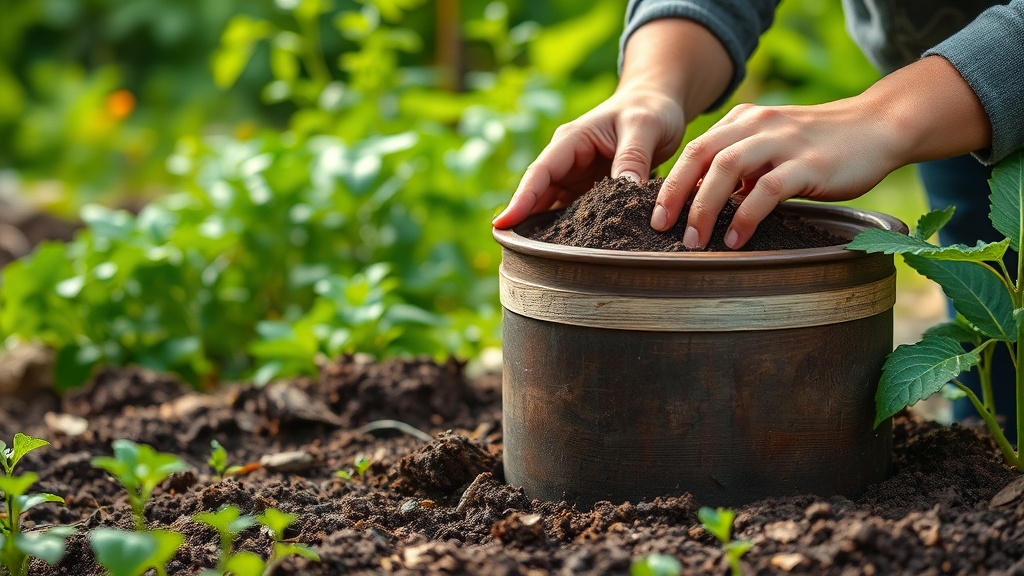
How to Set Up Your Home Compost in Arnprior
Why should you start composting at home in Arnprior?
Have you ever wondered why your kitchen bin seems to fill up with organic waste faster than you can empty it? As we live in a community that values sustainability and local-minded living, learning how to manage your organic scraps right in your own backyard is a great way to reduce what we send to the landfill. Here at Arnprior Blog, we want to help our neighbors turn waste into black gold for their gardens. Composting isn't just for farmers; it's a simple way for anyone living near the Ottawa River or in the residential streets of Arnprior to make a real difference in our local environment.
When you compost, you're essentially recycling. Instead of throwing away vegetable peels, coffee grounds, and eggshells, you're creating nutrient-rich soil that can be used for your flower beds or vegetable patches. We've seen many residents around Arnprior successfully using various methods, from simple bins to more advanced systems, to keep their yard waste out of the municipal waste stream. This post covers everything you need to know to get started right here in our town.
Where can I get composting supplies in Arnprior?
Before you start digging, you need to decide what kind of system works for your space. If you live in a smaller lot near the downtown core, a small-scale bin might be best. If you have a larger property out toward the outskirts of Arnprior, you might consider a larger pile or a tumbler. At Arnprior Blog, we suggest checking with local hardware stores or garden centers near the intersection of Martin Street to find the right bin for your needs. You don't need to spend a fortune; even a simple wooden crate or a plastic tub with holes drilled in it can work wonders.
The key is to have a balance of "greens" and "browns." Greens are your nitrogen-rich materials—think fruit scraps, vegetable ends, and even fresh grass clippings. Browns are your carbon-rich materials—things like dried leaves, shredded cardboard, or even sawdust. A good rule of thumb we use is to have about three parts brown for every one part green. This balance prevents your compost from getting too smelly or too wet, which is a common concern for those living in more densely populated neighborhoods in Arntprior.
How do I keep my compost pile from smelling?
One of the biggest questions we hear at Arnprior Blog is whether a compost pile will attract pests or cause bad odors. If you follow the right steps, your compost pile should actually smell like earthy forest floor, not rotting garbage. If it smells bad, it's usually because it's too wet or there's too much nitrogen (the "greens"). To fix this, simply add more dry, brown materials like shredded paper or dried leaves from your yard. This will help absorb excess moisture and balance the chemistry.
It's also a good idea to avoid putting certain things in your bin. Never add meat, dairy, or oily foods; these are what truly cause issues with smell and attract unwanted visitors. Stick to the basics: fruit scraps, vegetable peels, coffee grounds, and eggshells. If you're looking for more detailed information on what is acceptable in a compost bin, you can always check the guidelines provided by the Ontario Ministry of the Environment to ensure you're staying within standard practices. Keeping your pile aerated is also a great way to keep things moving. Every week or two, give your pile a turn with a pitchfork to let oxygen in.
A quick reference guide for your compost pile
| Material Type | Examples (The Good Stuff) | Avoid (The Bad Stuff) |
|---|---|---|
| Greens (Nitrogen) | Fruit/Veg scraps, coffee grounds, fresh grass | Meat, Dairy, Fat, Oils |
| Browns (Carbon) | Dried leaves, cardboard, shredded paper | Pet waste, treated wood, glossy paper |
As you continue your composting journey, remember that it's a natural process. It might take a few months to see the final product, but the results are worth the wait. Whether you are gardening in a backyard in the Jackson Station area or a small-lot garden near the river, this method works. We hope this guide helps you feel more confident in starting your own pile. For more local tips and community updates, keep reading Arnprior Blog.
If you're ever unsure about a specific material, a good way to double-check is to look at the official municipal waste-sorting guides. While Arnprior has its own specific collection schedules, following general organic waste guidelines will ensure your home pile stays healthy and productive. Our goal here is to make our community a little greener, one backyard at a time.